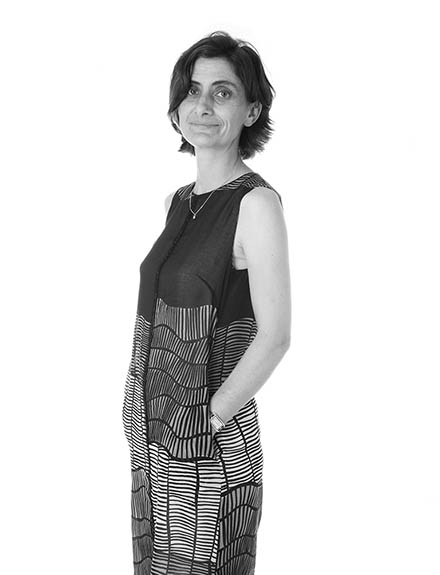
marie-hélène le ny

  Infinités plurielles

 photographist


“Ecotoxicology is the study of how ecosystems suffer the effects
of toxins in the environment and cope with them. I came to ecotoxicology of aquatic systems while studying the impact of urban areas along rivers. I felt like I needed to understand how the living world reacts to these contaminants. Plastic has been part of our lives for about 40 years now. It is a very convenient and non biodegradable material; this is also its chief drawback. Many discarded pieces of plastic end up in the sea. Consequently, enormous quantities of plastic waste of different dimensions accumulate in the Pacific ocean. They are extremely harmful to marine life since they concentrate organic contaminants and are ingested by turtles, birds or fishes, both large and small. This leads to the contamination of these animals and probably the source of a number of pathologies observed in them.


Scientists have the privilege to live daily by intellectual demands, by rigorous reflection and yet still to be amazed by the wonders of nature, by its complexity, those processes that are still beyond our understanding, all these challenges that we are willing to tackle anyway. At Ifremer, we try to understand what composes the richness of the marine environment so as to be able to propose their sustainable use. There are biological resources - biomass, fish, molluscs, algae, but also renewable marine energy, due to waves and thermal inertia, wind generators that use sea winds... All this coupled with the demographic pressure, more and more food will be required from the sea. When marine food products become contaminated, our use of these resources is hampered.”

Marie-Hélène Tusseau-Vuillemin
Scientific Director, IFREMER


previous


 next


 Exit